EP02: Creative AI Framework: Making Sense of the Design Future
Discover how AI expands creative roles instead of replacing them. A framework showing where your value lies across design, code, and human judgment.
Date
Category
Author
Reading Time
The biggest challenge for creatives right now isn’t learning new tools—it’s understanding how our roles are expanding. Most of us were trained to think in fixed titles—designer, developer, art director, etc.—but AI is quietly stretching those boundaries in every direction. In a single week, you might find yourself storyboarding, prompting, editing, prototyping, and using design systems you were never “officially” hired to touch. The pressure isn’t just to keep up with new features; it’s to redefine what your craft is while you’re in motion.
Don’t worry—even the biggest companies in the world are confused about how to position and organize themselves. While I was working with the Gemini team in 2023 before its public release, everyone at Google was slightly confused about the launch. Gemini wasn't just a model—it was also launched as Duet AI for workspace, and Bard was their generative assistant. They've simplified the messaging since then, but let's be real—it's been a challenge for the whole world to grasp the impact and potential of LLMs.
At the time, I had the privilege of working with Google Cloud and Deeplocal to ship the first public Gemini demo experience. What I witnessed fundamentally changed how I think about creative work. Traditional role boundaries dissolved completely. Our project manager became a prompt engineer, our architect influenced art direction, our developer drove design decisions, and the design team influenced generative UI principles. When human creativity met collective intelligence, roles didn't disappear—they expanded. The bottleneck was no longer technical capability. It became taste, judgment, and the ability to orchestrate across disciplines. After that project, I became obsessed with explaining this potential. But everyone kept asking the wrong questions: Will we need fewer people? Which roles get replaced? How do we cut costs with AI?
The real question is: How do our roles expand with intelligent machines?
The World Has Been Thinking About This
This isn't a question we're facing alone. Industry leaders have been grappling with this shift. Let’s take a look at two drastically different industry leaders and the messages they have been preaching to the public…
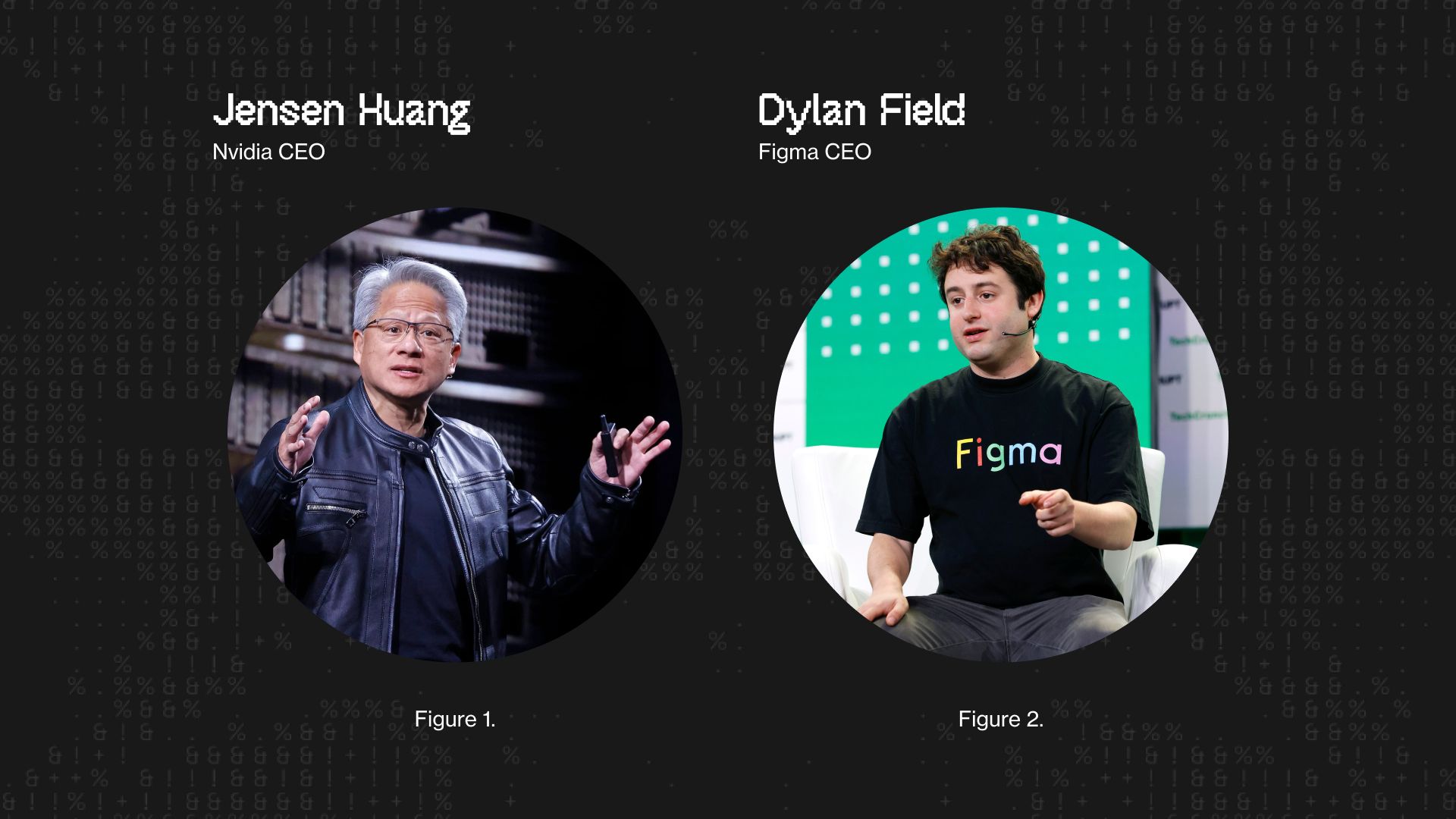
Figure 1: Fortune Figure 2: New York Times
Nearly a year ago, Jensen Huang, CEO and Founder of Nvidia, stated that “It is our job to create computing technology such that nobody has to program. And that the programming language is human; everybody in the world is now a programmer. This is the miracle of artificial intelligence.” TechRadar
On the other end of the spectrum, design leaders like Dylan Field, CEO and Founder of Figma, agree with this point but emphasize that "design is a differentiator". In a podcast with Dylan Patel, we heard Field say, "In a world where design is the way you win, it's only natural that we need to get more people involved in the design process. That is not going to diminish the role of designers. In fact, I think it expands the role of designers because then you have to shepherd people through the design process." latent
The facts are clear, language is the new code and design continues to differentiate, but we still haven’t fully answered how our roles are expanding in this context. Before we dive deeper, we want to present a worldview that resonates deeply with how we think at OPEN SESSION. It comes from Sari Azout, a talented founder/strategist, in her keynote "Why We Should Use AI to Expand What It Means to Be Human".
Azout makes a crucial observation: the term “artificial intelligence” was invented for funding purposes, and it fundamentally shapes how we perceive these tools—as threats, competitors, replacements. She proposes reframing AI as collective intelligence instead, which emphasizes collaboration rather than competition. She also highlights the workload paradox: AI doesn't actually reduce work—it raises standards and expectations. Just like washing machines didn't give us more free time, they just changed the standard for "clean clothes". AI doesn't mean fewer designers. It means the bar for creative output just got raised dramatically.
And here's the risk she identifies that we see constantly in our client work: it's not machines becoming more human—it's humans becoming more mechanical. When organizations only value what can be measured (clicks, test scores, KPIs), they neglect the immeasurable qualities that drive genuine innovation: wisdom, intuition, connection, and creative vision.
TL;DR: The real bottleneck isn't intelligence, it's human judgment, taste, and creative vision. Programming is now accessible to all. AI doesn't reduce the need for creativity; it raises the bar for what's expected. Your irreplaceable value lies in the immeasurable qualities and the humanity you bring to your work.
A Framework for the Future
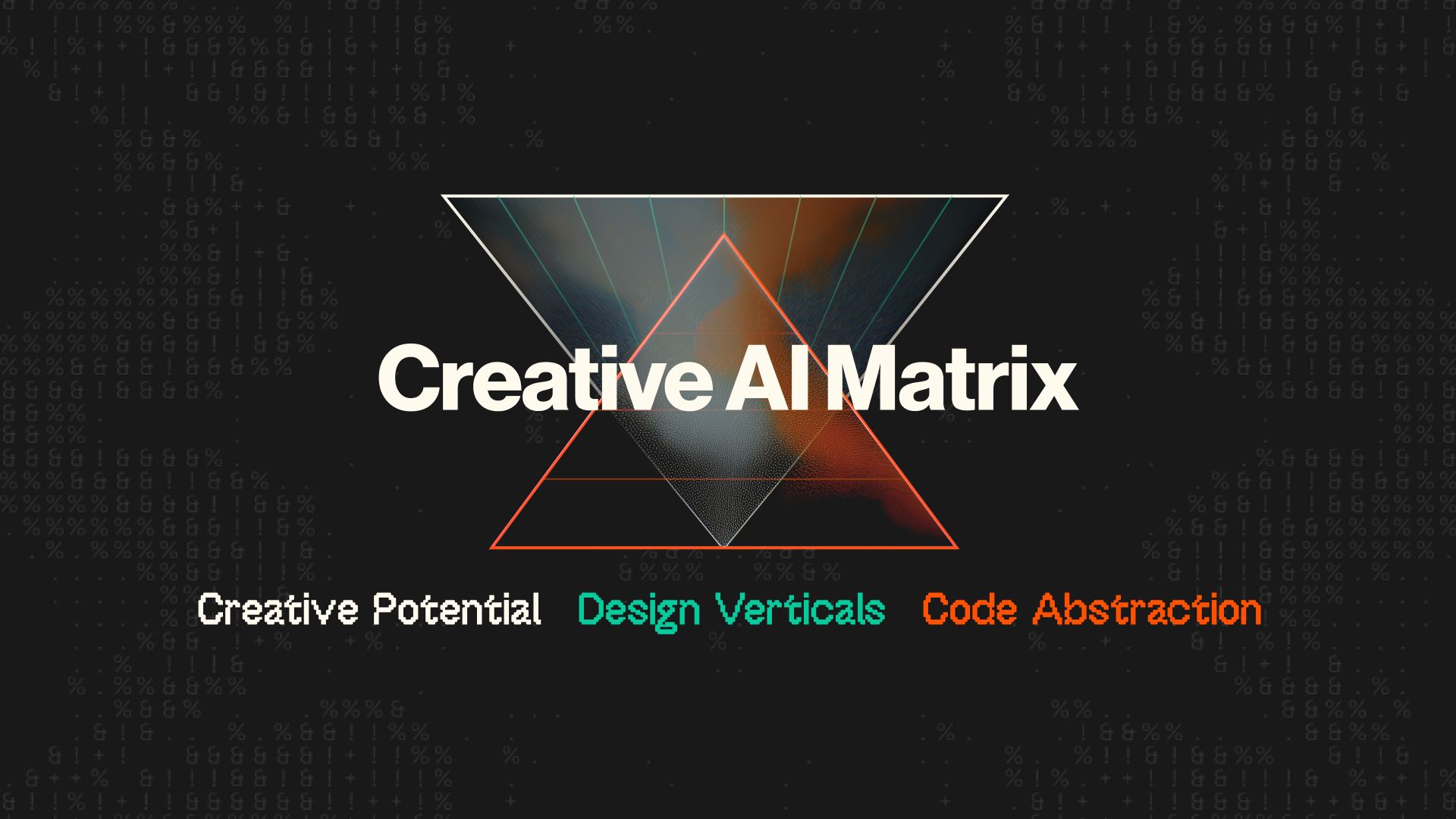
Visuals often explain complex concepts better than words alone. We spent the past 6+ months developing this framework by talking to industry experts, experimenting with new tools, and reflecting on our successes and failures.
A framework—to help creatives and businesses understand where they have irreplaceable value, how to expand their capabilities, and why breadth across disciplines is now a competitive advantage. There are three core elements we'll dive into:
Design Verticals — The typical disciplines creatives work within
Creative Potential — Where human judgment creates the most value
Code Abstraction — The layers of code that surface to humans and machines
Design Verticals
Historically, the education system and industry roles trained you to pick one or two paths and stay there. You’re a UX designer, a motion designer, a brand strategist. Specialists with deep, narrow expertise.
That model is collapsing.
Based on our experience working across Fortune 500 companies and startups, these are the design verticals we typically see in practice. They can be sliced and diced in many different ways, but most of our colleagues would agree they fit into these general buckets…
Present Pillars
UX/UI — Information architecture, user flows, interface systems, design systems, accessibility, interaction patterns
Dev - Architecting, building, and maintaining software products and system
Motion — Animation and micro-interactions that communicate state, guide attention, and express brand personality
Photo — Direction and capture of still imagery that sets tone and builds visual libraries
Video — Editorial, narrative, and production for short and long form content
Branding — Strategy, identity, and verbal-visual systems that create cohesive experiences
Art — Concept-led, expressive work that explores ideas and provokes feeling
Graphic — Layout, composition, and information design across print and digital
3D — Modeling, lighting, and rendering for products, spaces, and worlds
Industrial — engineering physical products, haptic design, etc.
The Shift: Breadth Over Depth
Here's what's changed: incredible breadth with medium depth now outperforms narrow specialization.
Why? The barrier to entry across these verticals has never been lower. AI models and tools act as your guide. All you need is curiosity and creativity. A monthly subscription of $20–100 opens doors to projects you couldn't imagine tackling before. You can pick up a camera and learn Premiere Pro workflows in weeks instead of months. You can prototype 3D environments in Blender for free without a formal degree. You can design in After Effects using code derived from natural language and iterate in real time.
TL;DR: The more design verticals you can tap into—whether as a team or individual—the more potential you have to drive creative outcomes and business results.
Creative Potential
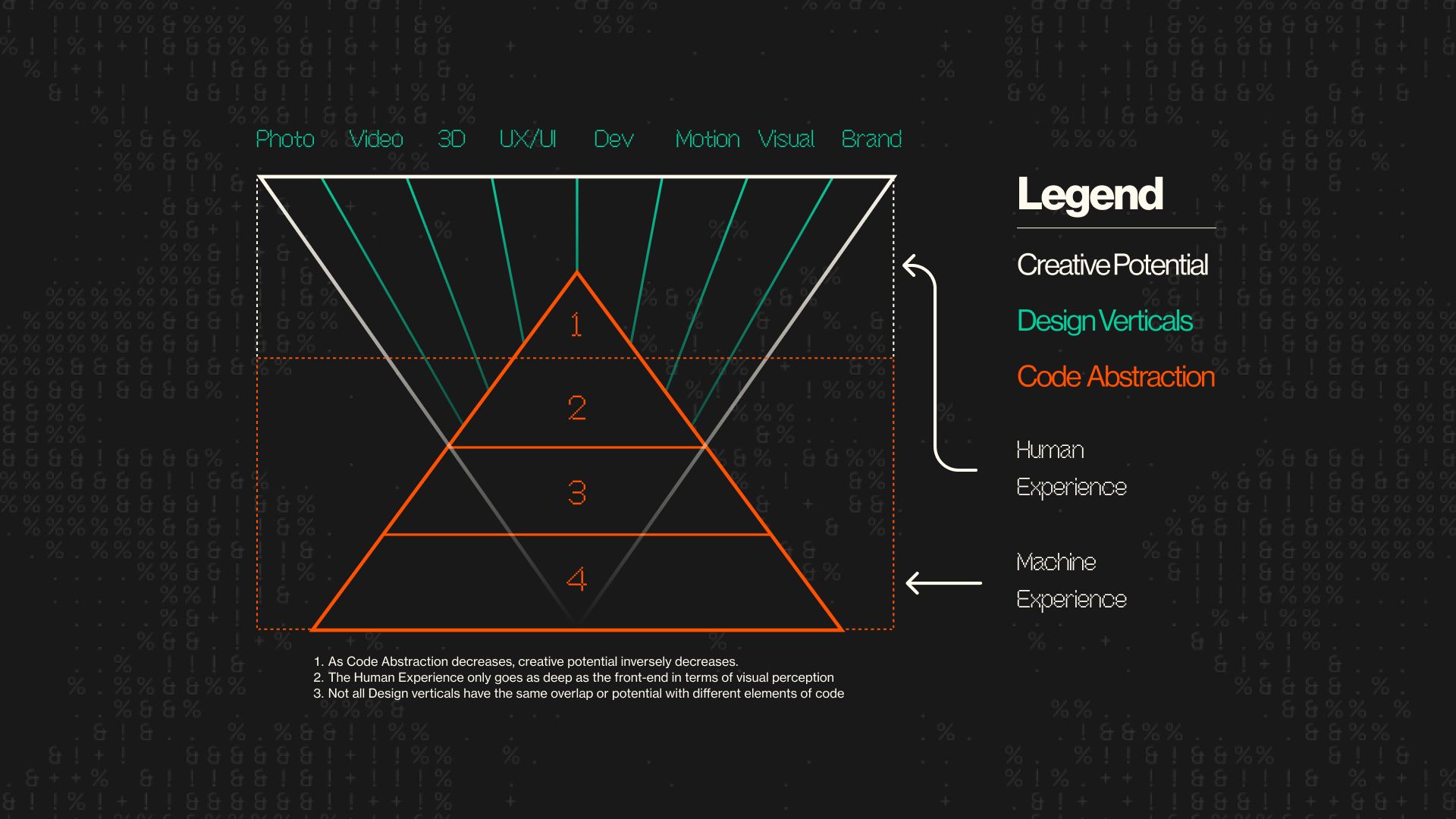
If you look at the framework diagram, notice something critical: creative potential is highest at the top of the matrix—closest to the human experience.
Think about it this way: the amount of creative work that can exist in each design vertical is finite. There's only a certain number of photographs, videos, or UX designs that humanity can produce. Obviously each vertical has different capacity, but for ease of visualization, when you combine these verticals, that's when you reach the most potential. You're stacking finite sums to create a much larger whole.
In this framework, we acknowledge that there’s creative work that exists entirely outside of code. When you're creating videos, photographs, art, or brand systems, you're not directly touching implementation. You're operating in the realm of human experience (white dotted box).
This is where AI cannot replace you. This is where your value compounds.
As you move down the framework toward code abstraction, you're getting closer to the machine experience—ultimately reducible to binary information. The closer you are to machine experience, the less creative potential exists, because you're operating in a more objective, deterministic space.
But a video edit? A color palette? A typographic hierarchy? These exist at the intersection of technical capability and human judgment. That's where taste matters most.
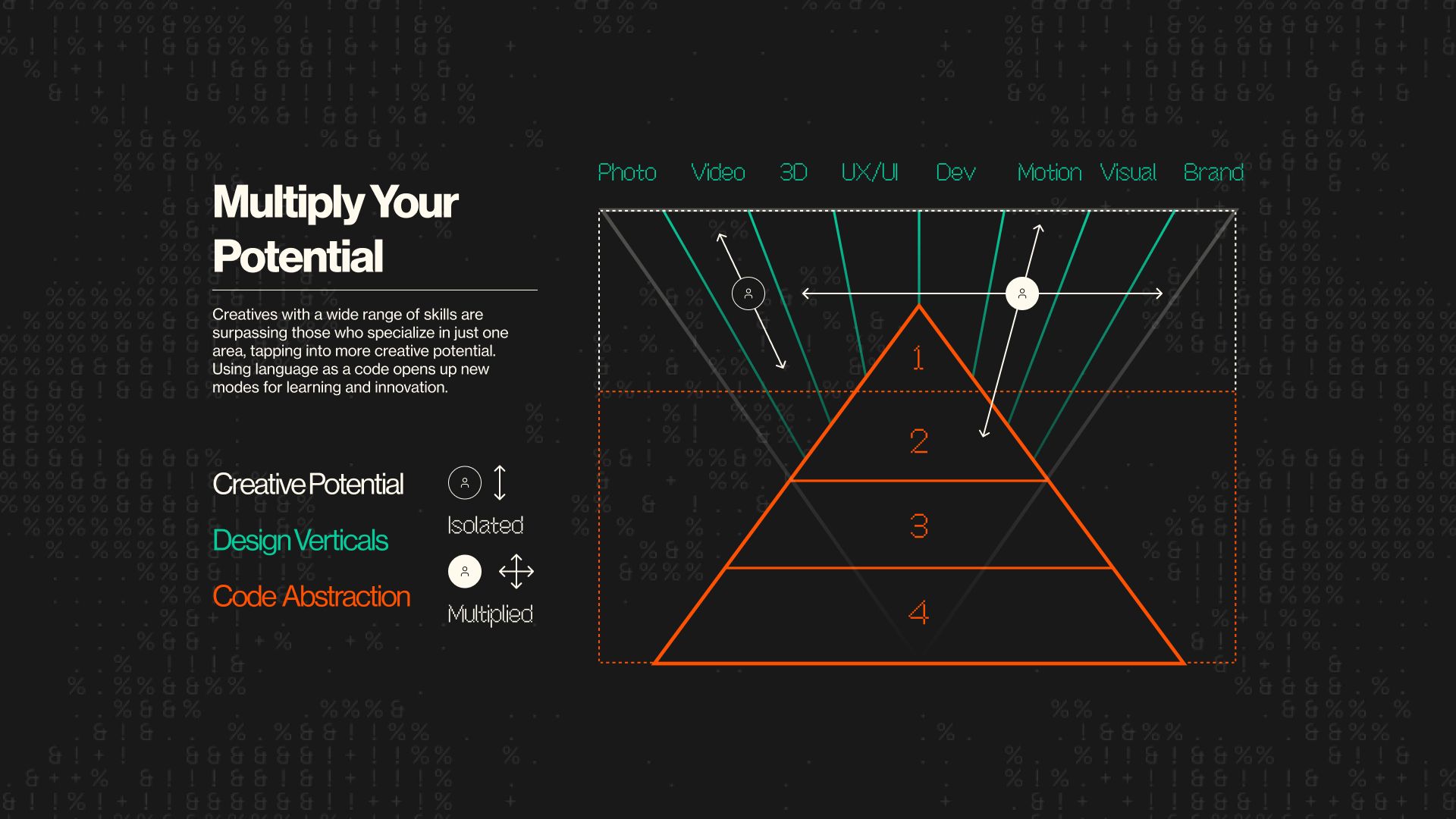
Take a look at the visual above for a concrete example. On the left side of the matrix, we have an “isolated” creative who focuses solely on video production. This individual is incredibly talented, but they've never had the opportunity or curiosity to invest in other design verticals. That's perfectly fine—there's plenty of creative potential within that vertical alone. However, they may be limiting their creative opportunity in two ways: by not using language to explore coding opportunities within video production, and by not investing time in other design verticals. This is where AI opens up doors for all of us as creatives.
On the other side of the matrix, we see a "multiplied" creative. This person has a core skill in motion design, but they use language as code to dive deeper into what's possible. They find creative ways to work with LLMs and MCP capabilities within After Effects, Blender, and similar tools. Beyond their ability to access deeper "layers" of code, they also invest time learning other design verticals. The more they experiment, the more they learn, and the more value they provide—to themselves and their business.
TL;DR: AI expands creative potential vertically through language and horizontally through assisted experimentation.
Ultimately, the biggest difference between these two individuals is their curiosity. We've found AI tools like Claude to be better experimental partners than traditional learning environments. They're accessible, constantly improving, and affordable for the value they provide. Instead of paying thousands for courses or spending months in trial and error, you can prototype, iterate, and learn across verticals at unprecedented speed.
Code Abstraction
Here’s the fundamental shift happening right now: language is code.
This isn't marketing hype—it's a fundamental transformation in how creative work gets executed. There are millions of ways to explain how code works but we like to think of it as a pyramid with four layers:
Layer 1: Frontend (Highest Abstraction)
Languages/Tech: HTML, CSS, JavaScript, TypeScript
Frameworks: React, Vue, Svelte, Angular
Visual builders: Webflow, Framer, Figma components
Why here: Most human-readable, declarative, visual. What users see and interact with directly.
Layer 2: Application
Languages: Python, Ruby, JavaScript (Node.js), PHP, Java, C#, Go
What it is: Business logic, APIs, server-side code
Frameworks: Django, Rails, Express, FastAPI
Why here: Still high-level and human-readable but handles complex logic and data processing.
Layer 3: Infrastructure
Languages/Tech: SQL, configuration languages (YAML, JSON), Apache, Nginx, Redis
What it is: Databases, web servers, caching, message queues, networking, cloud services
Why here: Mix of configuration and specialized code that bridges applications and system resources.
Layer 4: Systems (Lowest Abstraction)
Languages: C, C++, Rust, Assembly
What it is: Operating system kernels, device drivers, firmware, memory management
Why here: Direct hardware interaction, extremely technical, closest to the metal without being pure machine code.
The Bridge: Natural Language as Specification
In the past, to access lower layers of this stack, you had to sacrifice breadth for depth—you had to learn to think like the machine. Designers stayed at Layer 1 (if they touched code at all). Developers owned Layers 2–4.
Now, AI lets you maintain creative breadth while accessing technical depth through natural language.
A motion designer can describe complex animation systems and generate production-ready code. A brand designer can specify interactive behaviors without deeply learning JavaScript. A video editor can control rendering pipelines through a conversation with AI.
Notice in the diagram: some verticals (photography, video, brand) barely touch code. That's intentional—they live at the top where human experience dominates. Other verticals that are more central (UX/UI, 3D, Motion) can intersect more deeply with the different code abstraction layers depending on the use case. It's not definitive—it's suggestive, showing where overlap typically occurs. If you have any suggestions or counterarguments, we’d love to hear them :)
TLDR: Language democratizes access to code across all design verticals.
You don't have to choose between being creative or being technical anymore. You can be both, orchestrating systems through taste, direction, and specification. We will dive much deeper into this in a future blog post.
How to Use This Framework
This framework should inspire you to think about how you can expand your own capabilities across design verticals. It should make you curious about what becomes possible when you stop limiting yourself to one discipline.
When we explain this to people, they get excited and immediately ask for specific examples—and that's exactly what we'll be sharing on our YouTube channel and Instagram. Follow along as we get tactical, granular, and specific about these workflows.
But here's the critical insight to take away today:
This framework is future-proof. New models don't change this framework—they just change where you are inside it.
If a new AI tool drops tomorrow that automates video editing, you don't panic. You look at the framework and realize: your value isn't in manual timeline scrubbing—it's in the creative direction, narrative structure, and aesthetic judgment at the top of the pyramid. The tool just freed you up to operate across more verticals, not fewer.
The framework is your map. Where you go is up to you.

What This Means for Your Organization
The implications of this framework differ dramatically depending on your context:
Enterprise
This is the difference between hiring an external agency for a major keynote presentation and producing it in-house—potentially saving millions of dollars. Your internal creative teams can now operate at agency quality across more verticals with the same headcount.
Startups
This means having two designers instead of ten, giving those designers more creative freedom, and taking on less financial risk due to reduced capital expenditure. You can prototype faster, iterate more boldly, and compete visually with companies 10x your size.
Individual Creatives
This means your career ceiling just got raised. If you can orchestrate across UX, motion, video, and 3D—even at medium depth—you become dramatically more valuable than someone who's specialized in just one discipline.
The Future Is Expanding
The verticals are only getting easier and more accessible to tap into.
Google recently released Genie 3.0, a world model for interactive 3D environment generation. SIMA 2 is an advanced agent that can play, reason, and learn alongside humans in virtual worlds.
As designers and businesses, we need to enable our creatives to think bigger and be more ambitious. It's entirely possible that in the future, we'll look back at 2D screen design the way we now look at mainframe computers the size of houses. We'll laugh that we spent entire careers specializing in flat interface design when the future was always spatial, multi-sensory, and immersive.
The designers of the future will have incredible breadth with medium depth across verticals. That's where creative potential multiplies. That's where businesses win.
What's Next
In our next episode, we'll dive deep into “Language is the New Code”—exploring exactly how natural language is democratizing technical execution, which tools we're using daily, and the specific workflows that let us ship projects like our open-source Brand OS.
We'll show you:
How to structure prompts for technical execution
How to learn alongside AI when experimenting
Which AI tools excel at different code abstraction layers
Real examples of designers shipping production code through conversation
The mental models that separate effective AI collaboration from frustration
Let’s Connect
If you found this useful, subscribe to our newsletter on Medium or Substack.
Want to see this in action? We're breaking down specific workflows, tools, and techniques on YouTube and Instagram.
Interested in working with us? Check out our website and contact us—we'll respond within 24 hours.
About the Authors
Karim Bouhdary is a creative technologist and designer who bridges the gap between design and engineering. With experience working on cutting-edge UX projects at companies like Google, SAP, Salesforce, and more, Karim specializes in helping organizations leverage emerging technologies to unlock new creative possibilities. His work spans all modes of design, motion graphics, 3D rendering, and interactive experiences.
Morgan MacKean is a strategist and creative director focused on the intersection of design, technology, and brand identity. Morgan helps enterprises and startups navigate their visual identity with AI-augmented creativity, translating ideas into empowering visual design.
Together at OPEN SESSION, Karim and Morgan work with forward-thinking organizations to expand their creative capabilities, implement AI-powered workflows, and build systems that amplify human creativity rather than replace it. Their approach combines hands-on technical expertise with strategic vision—helping teams move from theory to execution.
— Our mission: help the world make the most of design and technology.
Thoughts, ideas, and perspectives on design, simplicity, and creative process.